



















Juhend minimalistliku kaunistamise ostmiseks

A living room can seem cluttered even with few pieces of furniture if every object competes for attention. This guide to buying minimalist decor is based on an idea more useful than "having less": choosing better. Well-executed minimalism doesn't feel empty or cold; it feels serene, comfortable, and personal, with every piece fulfilling an aesthetic function, a practical one, or both.
Buying with this criterion also avoids the most common mistake: filling the home with accessories that are pretty individually but, together, do not build a coherent image. Before adding something to the cart, it is worth asking if it contributes visual order, perceived quality, and daily well-being.
Start with the space, not the product
Minimalist decor doesn't work like a universal checklist of vases, lamps, and cushions. It depends on the light in your home, the dimensions of each room, the existing colors, and the life that happens there. A small foyer needs a different solution than a spacious room with plenty of natural light, even if both can share a clean aesthetic.
Observe first what is visually excessive. It might be a surface full of small objects, visible cables, unrelated textiles, or overly bulky furniture. You don't need to replace everything. Often, removing elements, improving organization, and adding just one well-chosen piece changes the atmosphere completely.
Also define the primary function of each area. In a bedroom, the feeling of rest should guide your decisions. In the living room, perhaps you are looking for a more sophisticated look without losing comfort. In a home office, the goal will be to reduce distractions and keep the essentials accessible. Decor should accompany your routines, not force you to adapt to it.
Guide to buying minimalist decor without making mistakes
A successful purchase starts with clear boundaries. Minimalism does not require following rigid rules, but it does demand intention. Choosing without a frame of reference for measurements, materials, and budget usually ends in returns, cluttered corners, or pieces that look good in a photo but don't fit at home.
Choose a brief, deep palette
Neutrals are a safe base: off-white, sand, warm gray, taupe, soft black, and stone tones. However, a minimalist room doesn't have to be completely white. In fact, overusing pure white can make the result look impersonal or difficult to maintain.
Choose two or three main tones and add contrast through materials. A light wall can coexist with natural wood, matte ceramic, smoked glass, or discreet metallic details. If you want an accent color, use it sparingly: olive green, deep blue, muted terracotta, or burgundy can add character in a print, a cushion, or a unique decorative piece.
The key is to repeat the tones subtly. When a lamp, a tray, and a textile share the same color temperature, the space is perceived as well-curated without the need to match everything literally.
Prioritize simple shapes and correct proportions
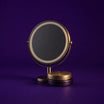
Clean lines usually define this style, but "simple" doesn't mean boring. A round side table, a thin-edged mirror, or a vase with a sculptural silhouette can stand out without breaking the calm of the whole. Look for clear shapes, soft curves, or discreet geometries.
Proportions matter more than price. A rug that is too small makes the room look fragmented; a tiny lamp on a large table looks accidental; an oversized mirror on a narrow wall can overwhelm the room. Measure before buying and visualize the volume, not just the width and height.
In compact spaces, a piece with medium presence usually works better than several small ones. A well-placed vertical mirror, for example, can bring light and a feeling of spaciousness with more elegance than a wall full of ornaments.
Buy materials that improve with use
The minimalist aesthetic relies on honest textures. Wood, cotton, linen, ceramic, stone, rattan, or metal with a matte finish offer visual interest without relying on intense patterns. Furthermore, good-looking materials elevate the perception of quality even when the decor is restrained.
There is an important balance here. Linen and natural wood provide warmth, but they require some care. Glass expands the space visually and reflects light, though it may not be the most practical choice in homes with small children or pets. Black or very matte surfaces are refined, but they can reveal dust and fingerprints more easily.
Don't buy a piece just for its trendiness. Check its finish, stability, ease of cleaning, and resistance to real use. A decorative object should retain its appeal after months at home, not just when opening the package.
Fewer accessories, better selected
Minimalism does not prohibit decorative objects. What it avoids is accumulation without hierarchy. A shelf with a candle, an art book, and a ceramic piece can look more luxurious than one full of figurines, souvenirs, and unconnected containers.
Work in groups and leave free space around them. The eyes need pauses. If you have a console, try a composition of two or three elements of different heights, such as a vase, a tray, and a small lamp. If you hang art on a wall, let it be the protagonist rather than competing with other nearby frames.
Plants are also a natural way to add life. A large-leaf plant in a sober pot can soften straight lines and add warmth to an empty corner. If you don't have good light or time to care for it, a well-placed dried branch or a realistic-looking botanical composition can be a more practical alternative.
Lighting: the purchase that transforms the atmosphere
A well-decorated room loses its strength with cold, direct, and singular lighting. For a minimalist and elegant atmosphere, combine general lighting with points of ambient light. A floor lamp next to the sofa, a table lamp on a console, or a warm light near the bed create layers and make the space feel more welcoming.
Look for simple shades and finishes that dialogue with the rest of the room. Opal glass softens the light; textile shades add warmth; black or muted gold metal introduces contrast discreetly. If the space is small, a visually light lamp can offer presence without feeling heavy.
It is also advisable to check the tone of the bulb. A warm light usually suits living rooms, bedrooms, and dining rooms. For a workspace, a brighter light may be useful, provided it is not clinical or tiring to the eyes.
Invest where it's noticeable and save where you can renovate
Not all pieces deserve the same budget. It is worth investing in elements that are used daily or that visually define the room: a well-constructed lamp, a good-sized mirror, textiles that are pleasant to the touch, or a stable side table. These purchases support the space and usually last longer.
In contrast, seasonal details, small vases, or prints can have a more contained cost. This way, you can renovate a corner without changing all the decor. This combination allows you to maintain an exclusive look without buying on impulse or compromising functionality.
A good filter is to think about permanence. If the piece would still fit in your home even if you change a cushion, paint a wall, or move the furniture, it is probably a smart choice.
Buy online with criteria and peace of mind
Images inspire, but before confirming your order, check measurements, materials, finishes, and recommended care. Look at the product in relation to furniture you already have and, if possible, mark its dimensions with tape on the floor or wall. It is a simple gesture that avoids scale errors.
Prioritize stores that clearly explain the item's features, the payment process, delivery, and return conditions. In an exclusive shopping experience, trust should not feel like an extra: it should be present from selection to the arrival of the order. Belavion brings together home options with attention oriented toward buying with greater comfort and security.
You don't need to finish a room in a single day. The home gains personality when it is built with serene decisions. Choose one piece that organizes, illuminates, or makes your routine more pleasant, and let the space breathe before adding the next one.


