

















Namo dekoracijos tendencijos elegant 2026

An elegant home is not recognized by the accumulation of expensive pieces, but by the sensation it leaves upon entering: calm, visual order, and details that seem chosen with intention. Elegant home decor trends for 2026 move away from rigid or overly perfect spaces. They propose warm, functional, and personal interiors, where every object adds beauty without sacrificing daily life.
The key is to be more selective. A pleasant textile, a well-placed lamp, or a decorative tray with refined finishes can completely change the perception of a room. You do not need to renovate your entire home to achieve a sophisticated result: it is better to create layers, mind the proportions, and let the space breathe.
Decor trends for an elegant home
Modern elegance is more sensory than ostentatious. It is appreciated in wood with visible grain, irregular ceramics, the feel of a cushion, or lighting that favors conversation and rest. The goal is not to reproduce a catalog room, but to build a home with a presence of its own.
Warm palettes and neutrals with depth
Pure white is losing ground to cozier tones: ivory, sand, stone, taupe, greige, and beige with pink or golden undertones. These bases provide luminosity, but also a depth that makes furniture feel more sophisticated.
To prevent a neutral room from appearing flat, combine two or three tones from the same family. For example, a living room in sand can incorporate cream curtains, a taupe rug, and chocolate brown accents. The contrast should be soft, not nonexistent. A dark accent on a frame, lamp, or side table helps define the whole.
Olive greens, muted terracotta, and grayish blue work very well as supporting colors. Use them in pieces that are easy to renew, such as cushion covers, vases, candles, or throws. Painting a wall can be a good decision if the room receives enough light, but it is not mandatory to update it with style.
Materials that look and feel good
Premium decor relies increasingly on honest materials that are pleasant to the touch. Wood in medium or dark tones, travertine, veined marble, refined rattan, smoked glass, artisanal ceramics, and textured fabrics elevate a room even when the design is simple.
Not all materials should appear at once. On a wooden dining table, for example, a few chairs with light upholstery, a ceramic centerpiece, and a glass or metal lamp are enough to create visual richness. If you add marble, brass, velvet, mirror, and various patterns without a common theme, the result may feel cluttered.
Warm metal remains a valuable resource, especially in aged brass, soft bronze, or matte black finishes. It adds definition to handles, mirrors, candle holders, and light fixtures. It is recommended to repeat it two or three times in the same area so it reads as a deliberate choice.
Soft curves and silhouettes with character
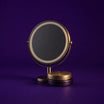
Rounded edges are becoming established in mirrors, side tables, lamps, poufs, and vases. Curves soften the lines of a home and provide a cozier impression, especially in rooms with straight furniture or cold-finished floors.
You don't need to replace a sofa to follow this trend. An oval mirror in the hallway, a round tray on the coffee table, or a lamp with a curved shade can introduce the right touch. These types of pieces also balance small spaces because they reduce the feeling of rigidity and make visual flow more fluid.
Organic shapes work best when they retain a certain sobriety. A sculptural silhouette can be the focal point of the room; five striking pieces competing with each other rarely generate elegance.
Layered lighting: the detail that changes everything
A single central lamp usually creates flat and unflattering light. The most carefully curated interiors work with several lighting sources: general light for moving around comfortably, task light for reading or working, and ambient light for relaxing.
In the living room, combine a ceiling lamp with a floor lamp next to the sofa and a table lamp on a console. In the bedroom, wall sconces or bedside lamps free up space and provide a more designed finish. Warm-light bulbs are essential: a temperature that is too white can make textiles and neutral tones lose their warmth.
It is also worth paying attention to lampshades. Linen, opal glass, and natural fibers filter light in an attractive way. A light fixture does not just illuminate: when turned off, it remains a decorative piece with great visual weight.
Textiles that provide comfort without saturation
Textile layers make a home feel finished. A rug with visible weave defines the living room; long curtains add height; a well-chosen throw softens a sofa; and cushions introduce contrast without compromising the overall palette.
For an elegant image, prioritize visual quality over quantity. Two large cushions and one lumbar pillow can look more refined than six small models with different patterns. Washed linen, bouclé, thick cotton, wool, and matte velvet are options that add texture without the need for intense colors.
In bedrooms, bedding deserves special attention. A plain base in off-white or warm gray, a textured quilt, and a folded plaid at the foot convey order and comfort. The bed should not look like a showroom display: leave space so that it remains comfortable and easy to use every day.
Decorative objects with intention
The trend is not about filling shelves, but about editing what is displayed. A tray can gather a vase, a candle, and a carefully selected coffee table book. A console can showcase a mirror, a lamp, and a ceramic piece. These compositions create visual order and simplify cleaning.
Decorative pieces with utility have a clear advantage: a beautiful box stores remote controls, a pouf offers extra seating, a basket organizes blankets, and a tray keeps the table clutter-free. This blend of aesthetics and function is especially valuable in homes where every meter counts.
Include personal elements as well. A framed photograph, an heirloom object, or a piece found on a trip adds authenticity to the whole. The trick is to group and select. Memories gain presence when they aren't scattered among too many generic ornaments.
How to apply these trends without renovating the whole house
Before buying, observe what each room really needs. Perhaps the living room doesn't require more decor, but rather a floor lamp and a larger rug. Maybe the bedroom needs curtains that reach the floor, not another piece of furniture. Identifying the weak point prevents impulsive purchases and makes the budget go further.
Start with a visible area, such as the hallway, the coffee table, or the nightstands. Choose a palette of three tones, repeat one or two materials, and add a source of warm light. Then incorporate accessories instead of changing everything at once. This way you can see what works with the real light in your home and your daily routines.
Proportion also determines the result. A rug that is too small makes the room look smaller, while short curtains can subtract height from the room. Measure before choosing and leave areas clear. Discreet luxury is often perceived in what you decide not to place.
At Belavion, a curated selection of lighting, textiles, accessories, and functional solutions allows you to update those details with an exclusive, practical, and secure shopping experience. The best choice will always be the one that fits your space, your lifestyle, and the feeling you wish to create when returning home.
The most enduring trend is not a color or a shape: it is designing a home that welcomes you well. Choose pieces you enjoy touching, using, and looking at, and let elegance appear in that quiet coherence that remains long after the trends have passed.